


In this section you will find information about 16 species that are representative of the different natural habitats of Cerdanya. From majestic birds of prey to small passerines, the diversity of habitats in the region makes it a privileged place for birdwatching in Catalunya.
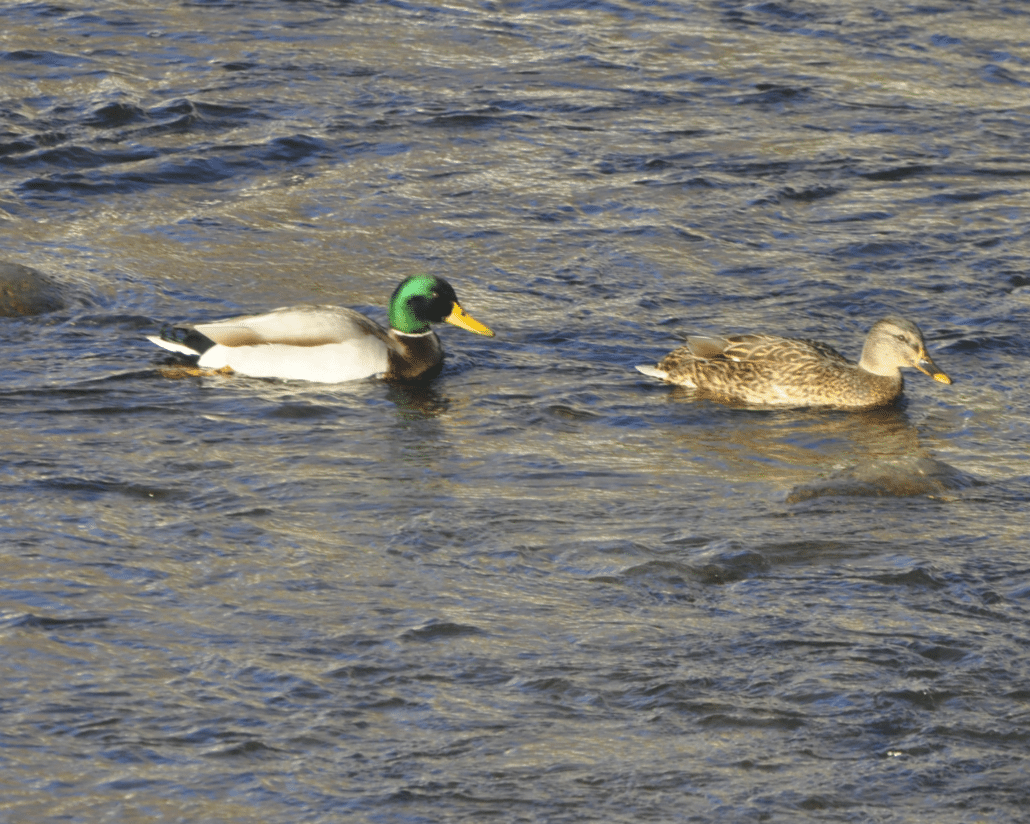
Mallard
Anas platyrhynchos
Undoubtedly the most common and abundant wild duck in our country. Present year-round in many aquatic environments, from urban areas, along the Segre (such as the Gallissà ponds), and even in some high-mountain lakes like those of la Pera. Males display a bright green head and neck. Females are camouflaged in mottled brown tones.
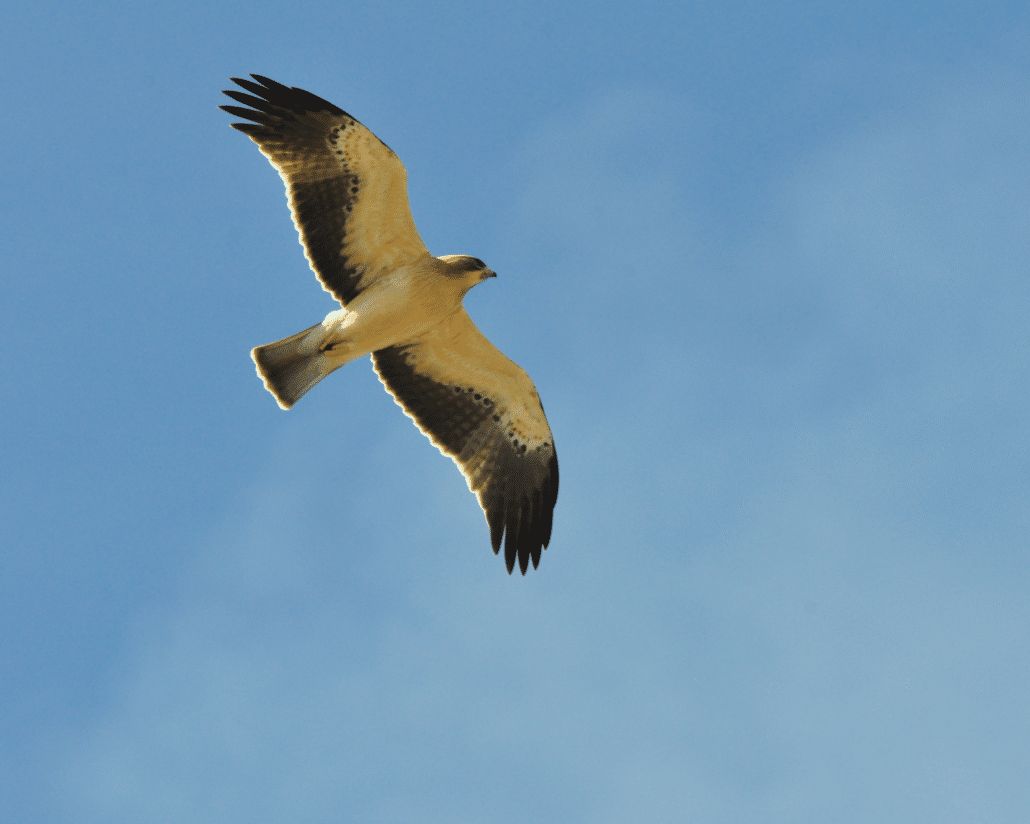
Booted eagle
Hieraaetus pennatus
The smallest eagle species we have in Catalunya. Even so, it is a medium-sized raptor that is easy to identify thanks to the black-and-white pattern on most individuals when seen from below. Some, however, are darker and resemble the black kite. It can be seen soaring over sunny spots such as the tossal of Isòvol during the spring and summer months.
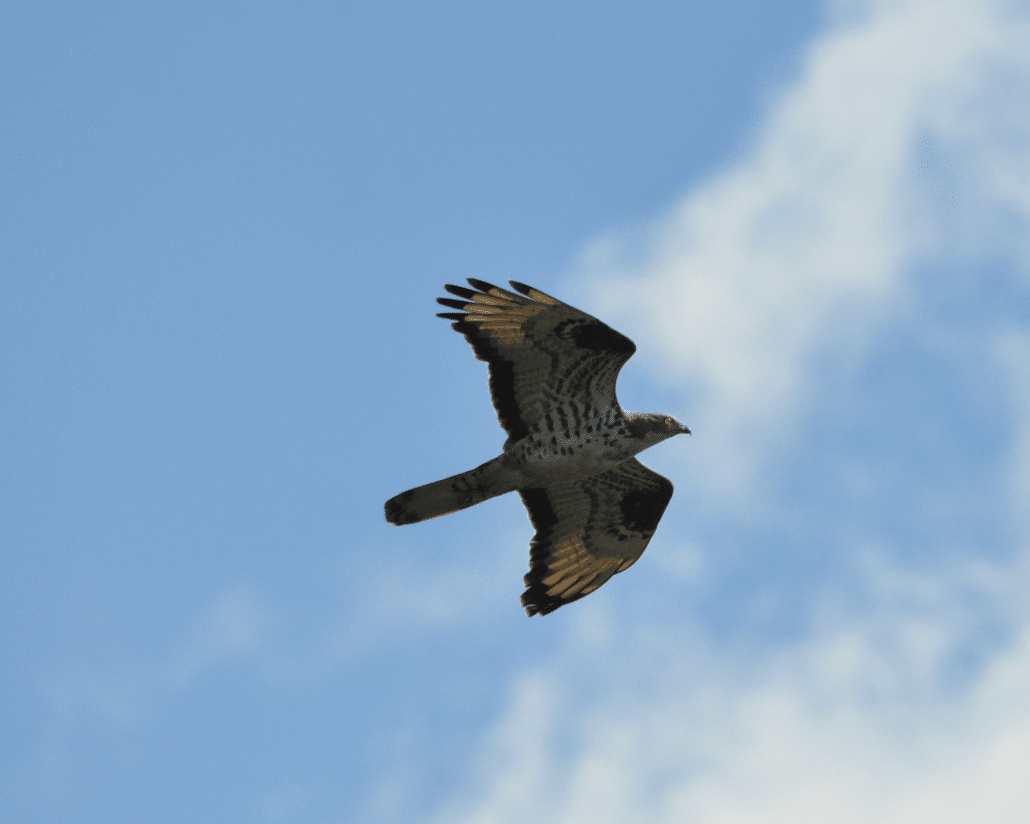
European honey buzzard
Pernis apivorus
A medium-sized raptor with broad wings and a long tail. As a breeder it is very scarce, but during migration it is very abundant. The best period is from mid-August to mid-September. Elevated points on the baga, such as the Cap del Ras viewpoint, are excellent places to observe hundreds of individuals following the north face of Cadí westward.
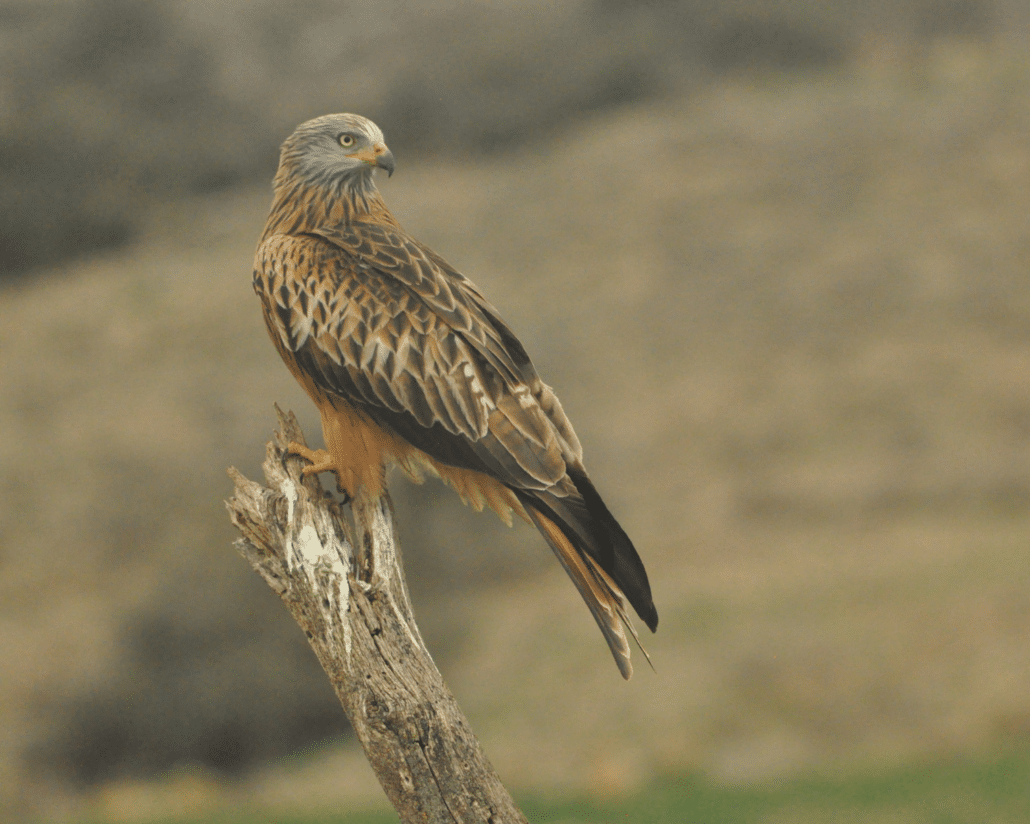
Red kite
Milvus milvus
A remarkably acrobatic raptor, medium-large in size, with a very characteristic silhouette thanks to its long, deeply forked tail. Orange-brown in colour, with a conspicuous white patch on the underside of each wing. Although present year-round in the region, autumn and winter are when the highest numbers can be seen gliding over the plain and roosting in groups in wooded areas such as Age.
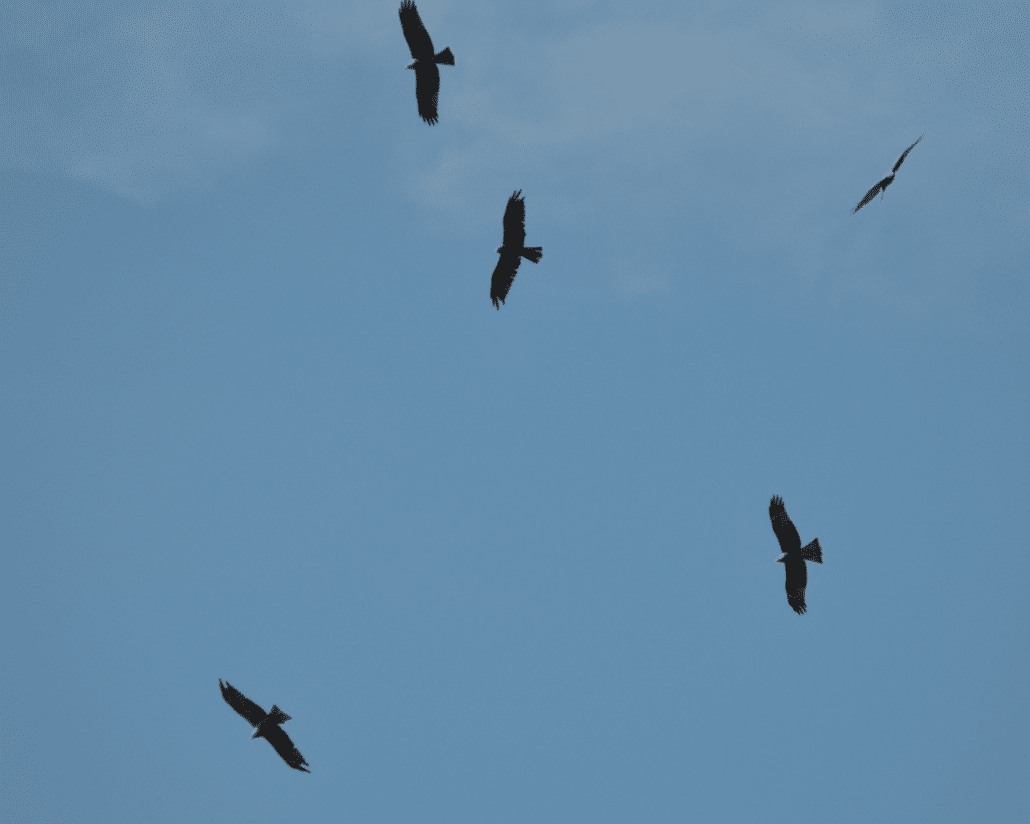
Black kite
Milvus migrans
A medium-sized raptor with generally dark plumage, angular wings and a long, slightly forked tail. A few pairs breed in large deciduous trees in the region, but it is between July and August that many can be seen migrating in flocks of dozens upon dozens of individuals, from the Cap del Ras viewpoint or any other elevated point on the baga.
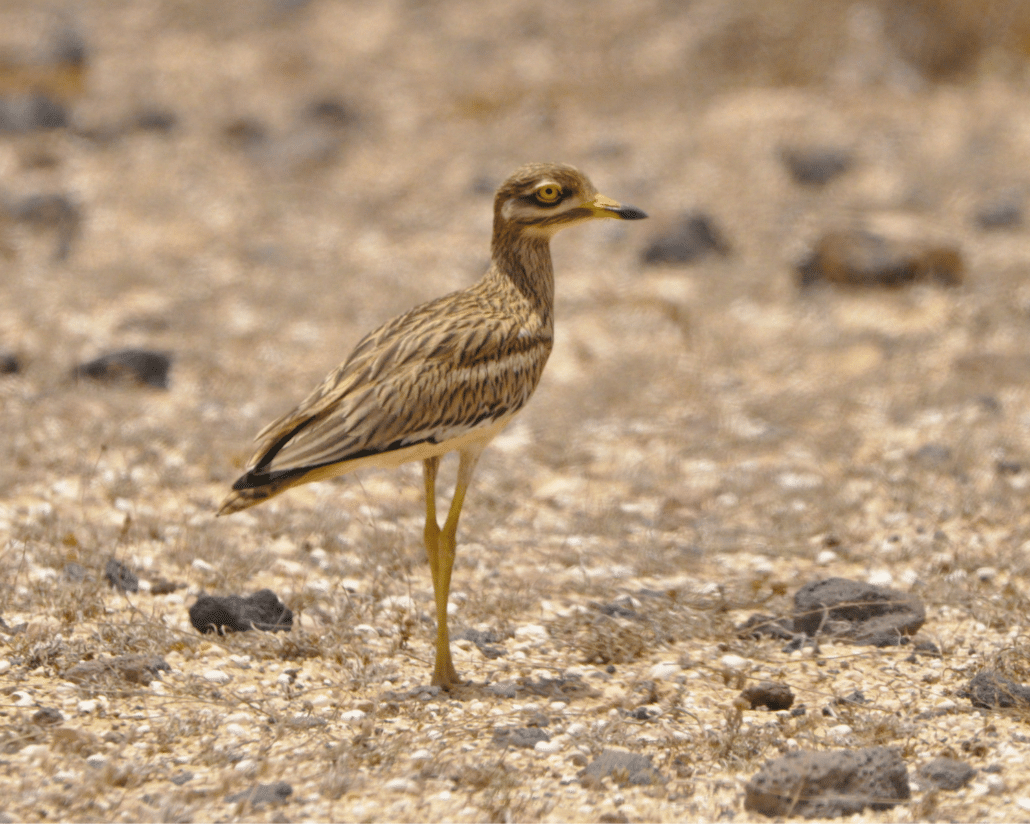
Eurasian Stone-curlew
Burhinus oedicnemus
A long-legged bird with two unique features: large yellow eyes and a mottled plumage that camouflages it in dry, open fields where it can be found during migration and in summer. Although active by day, it is also quite active at night. In Cerdanya it is known as xorlit. It can be found in the best fields of the plain between Prats and Soriguerola.
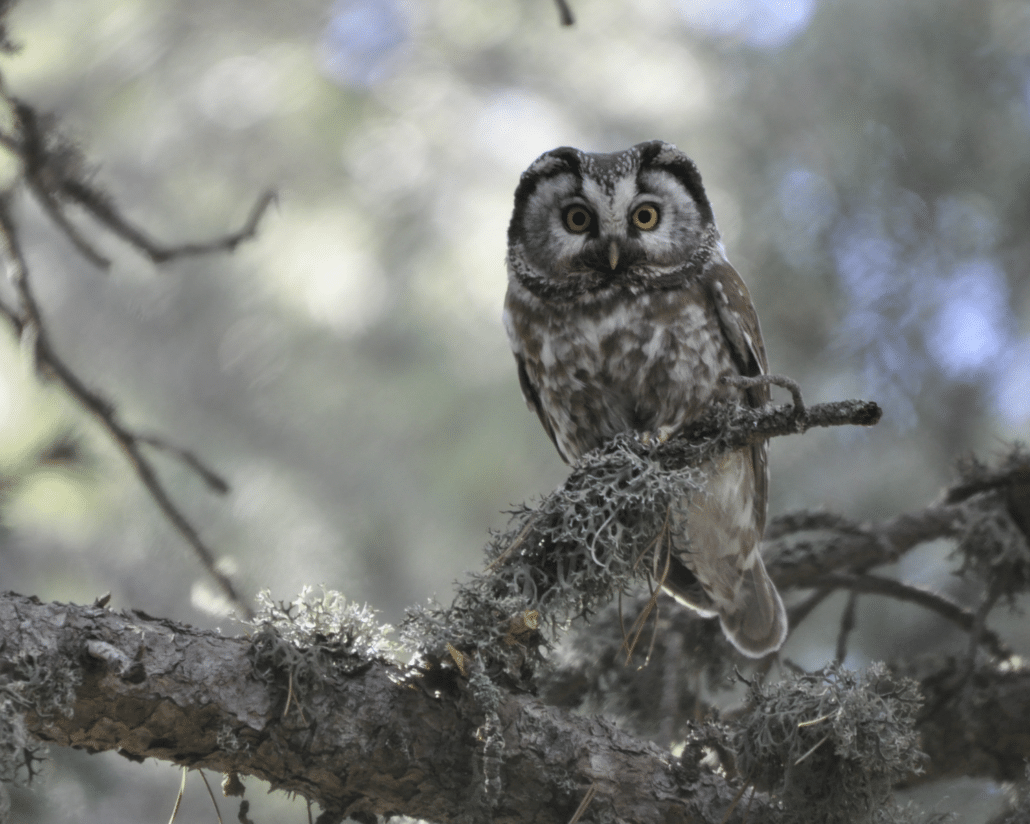
Boreal owl
Aegolius funereus
A small, sedentary high-mountain owl that inhabits forests with tree cavities. Yellow eyes, grey-brown plumage mottled with white, and its surprised expression are characteristic of this little ornithological gem, which is more often heard than seen in the subalpine pine forests of Aransa. It usually sings at dusk and during early mornings from January to March.
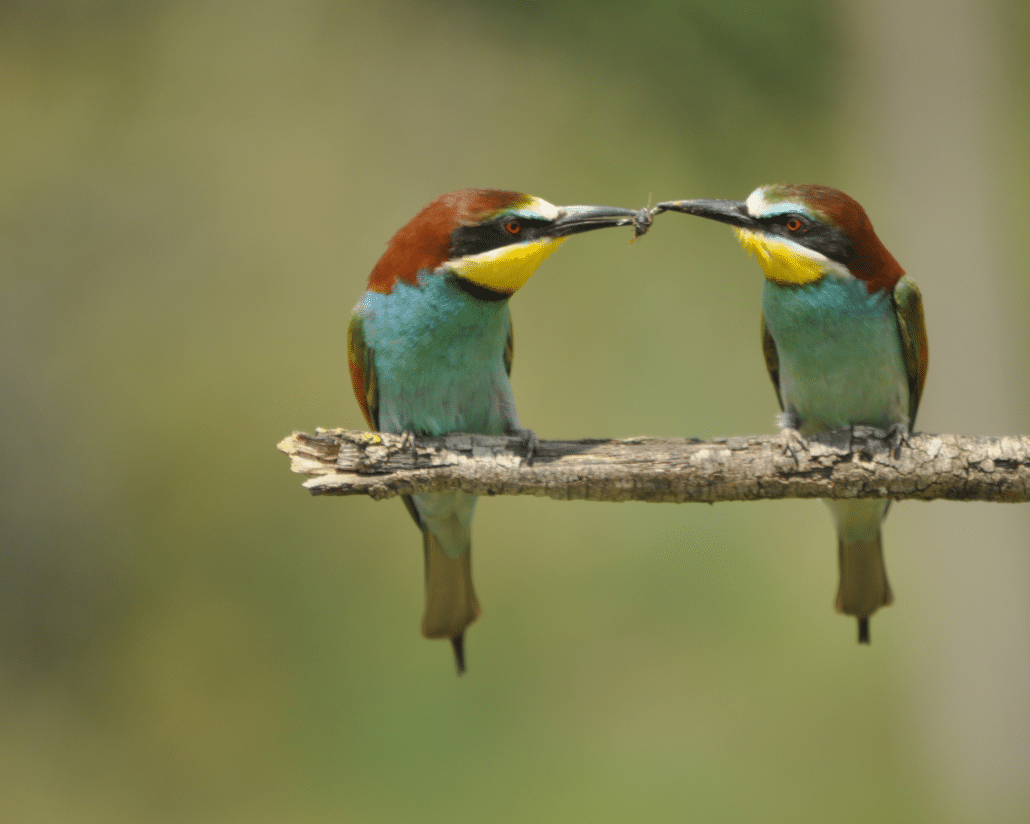
Bee-eater
Merops apiaster
Probably the most colourful bird in Cerdanya. It belongs to a family of tropical birds of which this is the only European species. It nests colonially in sandy banks, such as at the Sanavastre pond. It feeds on flying insects and produces a very distinctive call in flight. It can be seen and heard in spring and up to late summer. It winters in Africa.
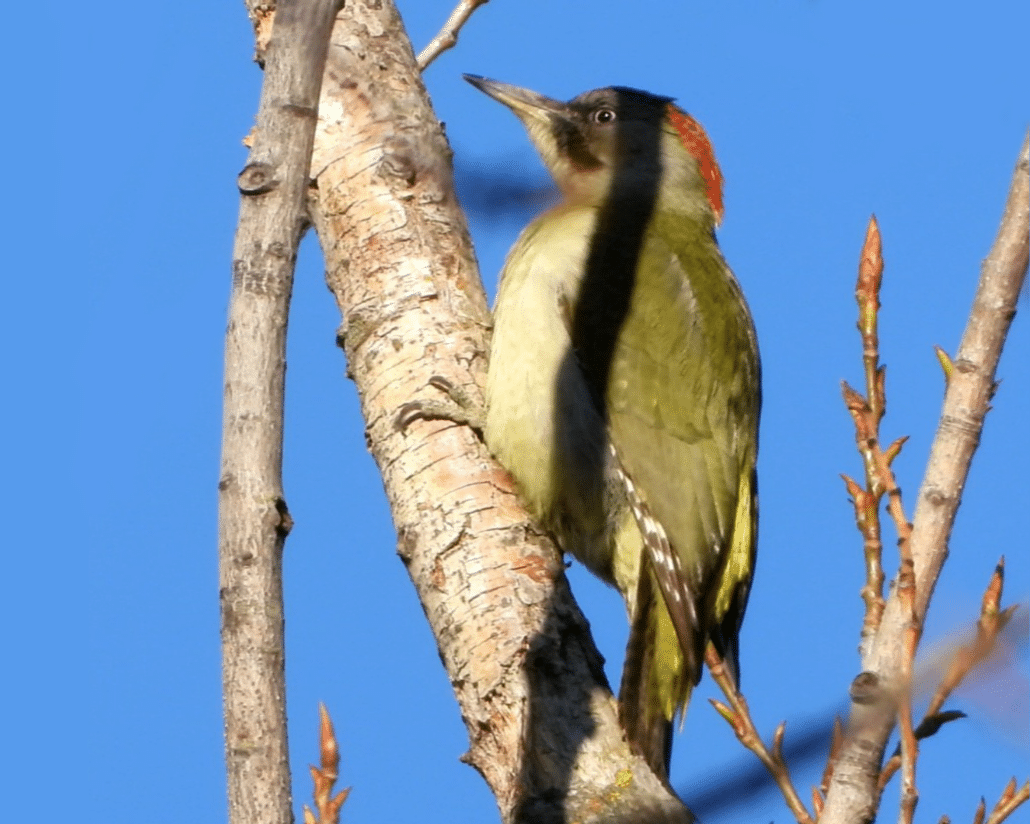
Iberian green woodpecker
Picus sharpei
A woodpecker with greenish-grey and red colouring. The second largest species in the region and in the country. A major consumer of ants and wood-boring larvae. Present all year, although easier to detect in spring thanks to its call, which resembles a horse’s whinny. It drills round holes in tree trunks to nest, such as in the riverside woodland of Prullans.
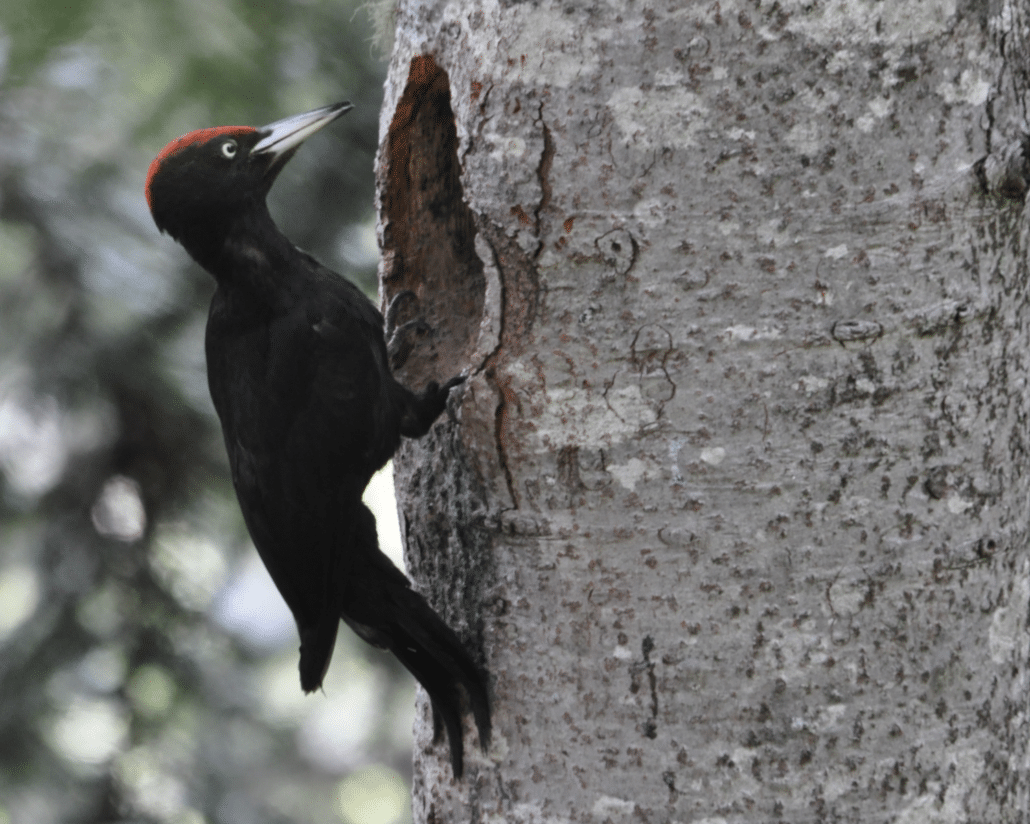
Black woodpecker
Dryocopus martius
The largest European woodpecker and therefore the one that makes the biggest holes in tall, straight tree trunks. Both sexes are entirely black: the male has a red cap, the female only a red nape. It inhabits both deciduous and coniferous forests year-round, for example in the fir forest of Riu. In spring its calls and drumming can be heard from afar.
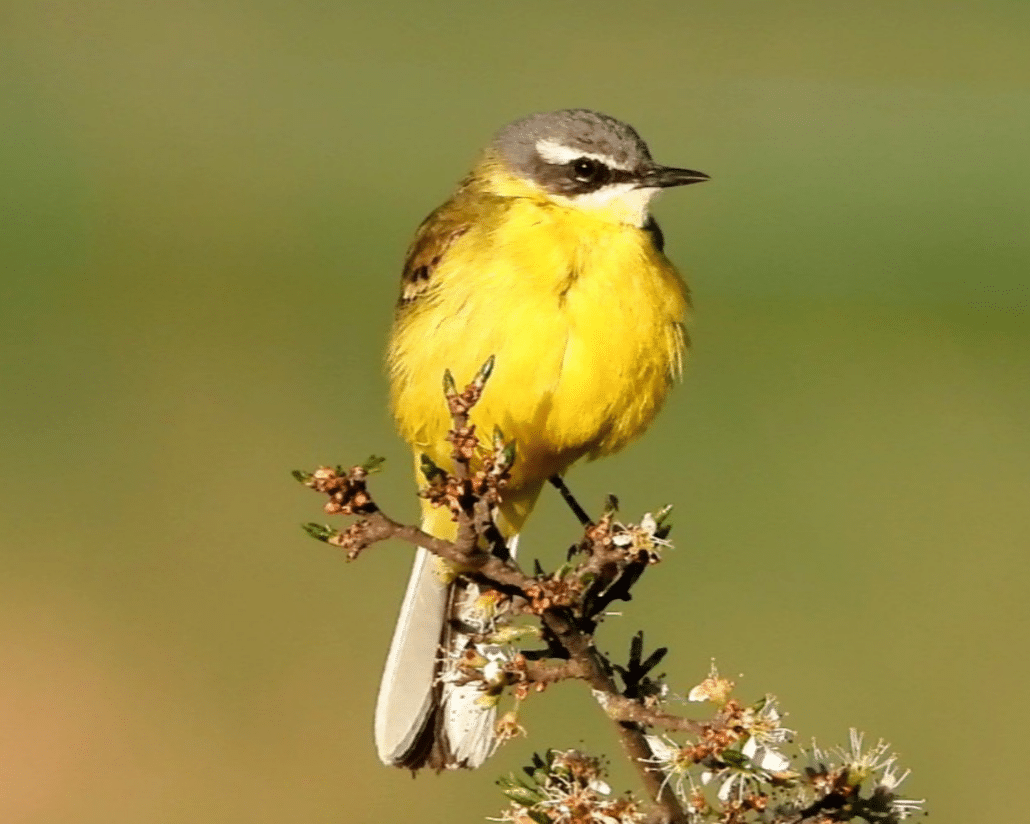
Yellow wagtail
Motacilla flava
A slender insectivorous bird with a long tail, greenish back and yellow underparts. It winters in sub-Saharan Africa. During migration it is abundant, with individuals from different European subspecies. Very ground-dwelling, typical of large agricultural areas with scattered shrubs, such as those around Llívia.
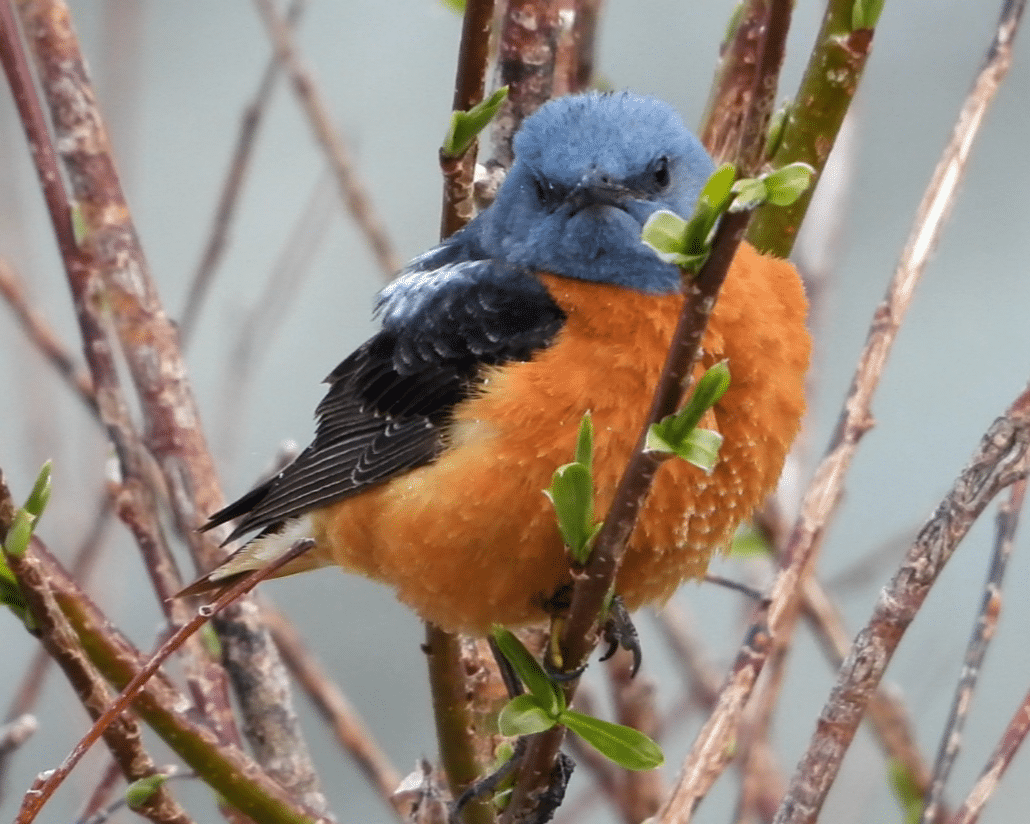
Common rock thrush
Monticola saxatilis
Males of this species have one of the most striking colour combinations among mountain birds. As its name suggests, it inhabits rocky areas with nearby meadows and scrub. It often perches on elevated spots to sing and watch for insects. It can be found in summer in sunny areas of the solana, such as around Ordén and Talltendre.
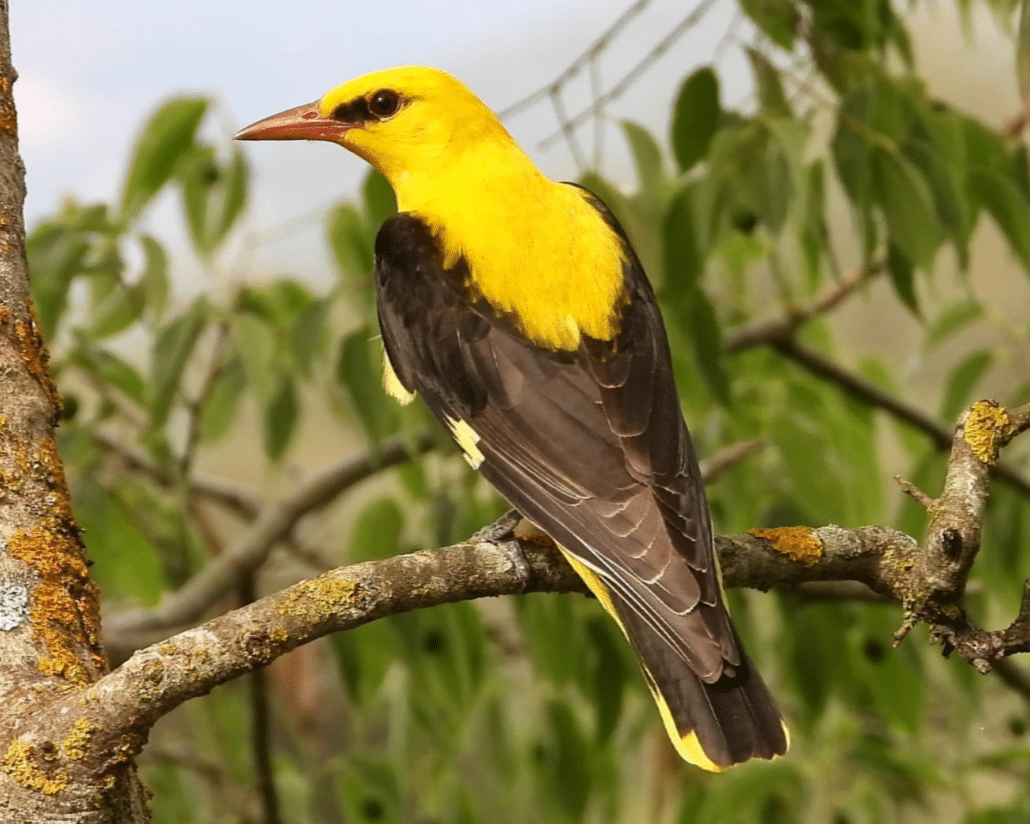
Eurasian Golden oriole
Oriolus oriolus
The combination of yellow and black makes the oriol a beautiful and unmistakable bird. A great consumer of fruit such as cherries and figs. Present in spring and summer. Typical of deciduous trees, like those in the riverside forest of Ger, where it nests and hides in the canopy. Heard more often than seen. Fluted, repetitive song and a call resembling a meow.
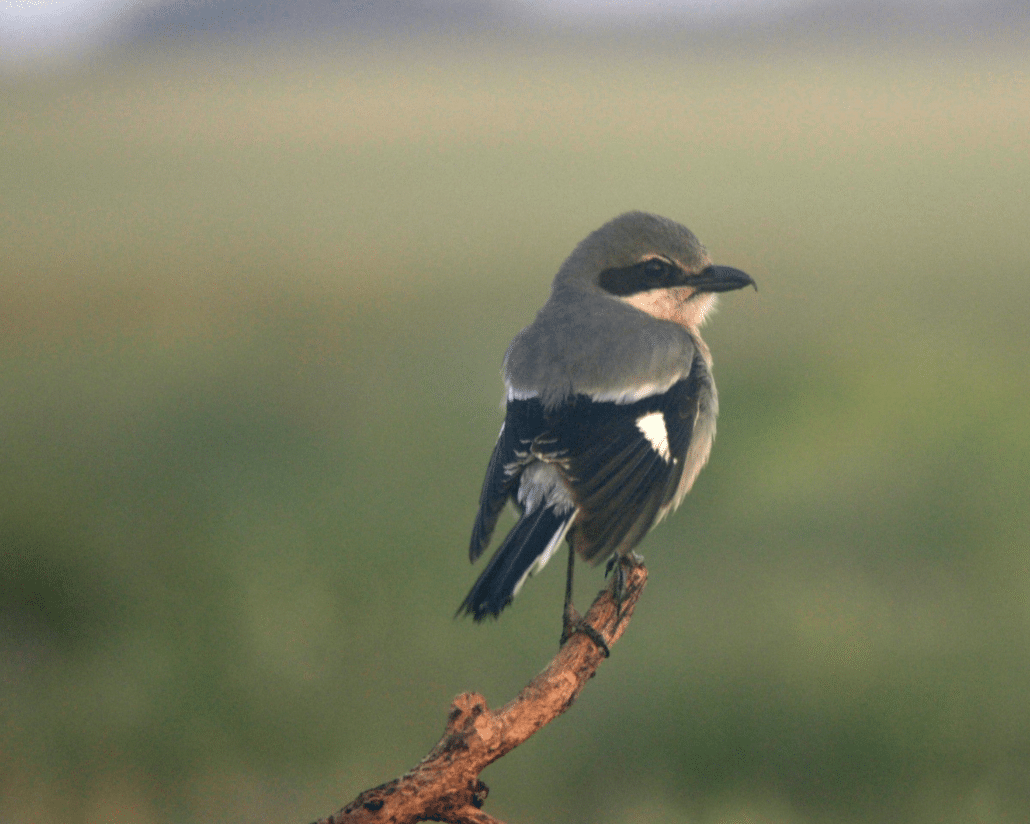
Southern Grey Shrike
Lanius meridionalis
A bird similar in size to common small passerines, but with a predatory behaviour reminiscent of larger raptors. It impales prey on thorns to store them and eat them easily. Present all year in the region, both in the plain (near Prats) and in the solana (around Gréixer).
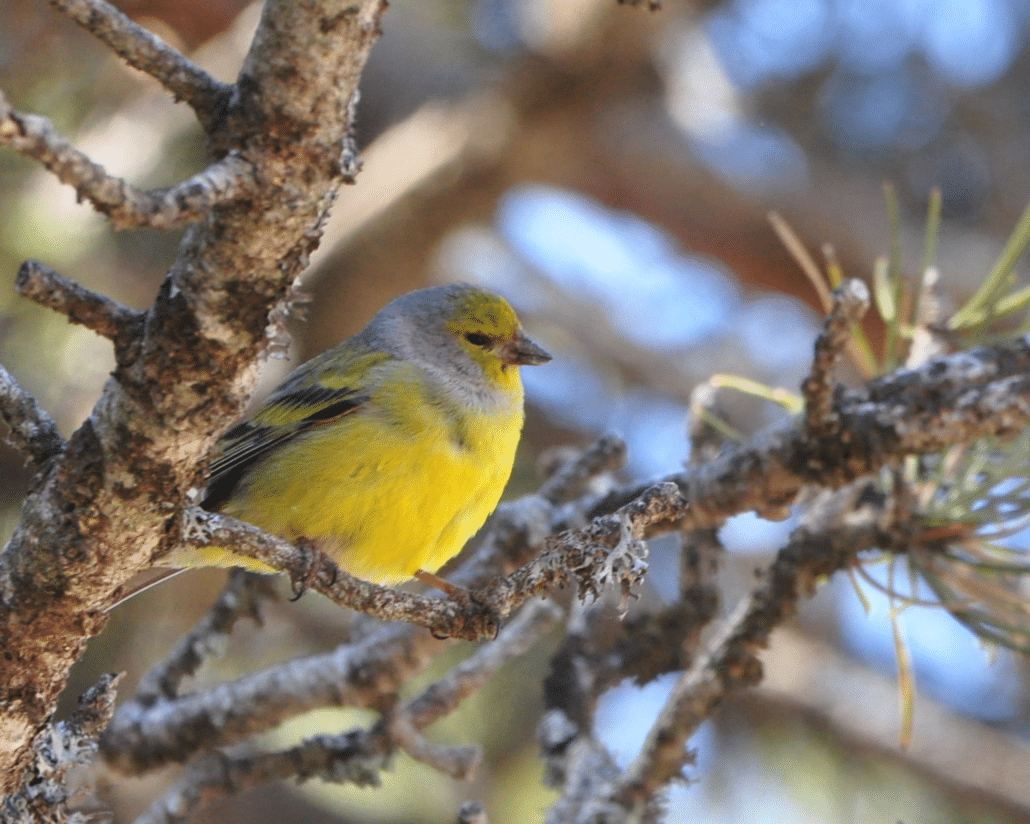
Citril finch
Carduelis citrinella
A lively bird with greenish and grey tones. Usually seen in pairs or in small flocks. In summer it is found in conifer forests with meadows, such as those of Cap del Rec (Lles). In winter it may descend to lower altitudes and move further south. Its song is metallic and melodious. It feeds on seeds, especially the pine nuts of pine cones.
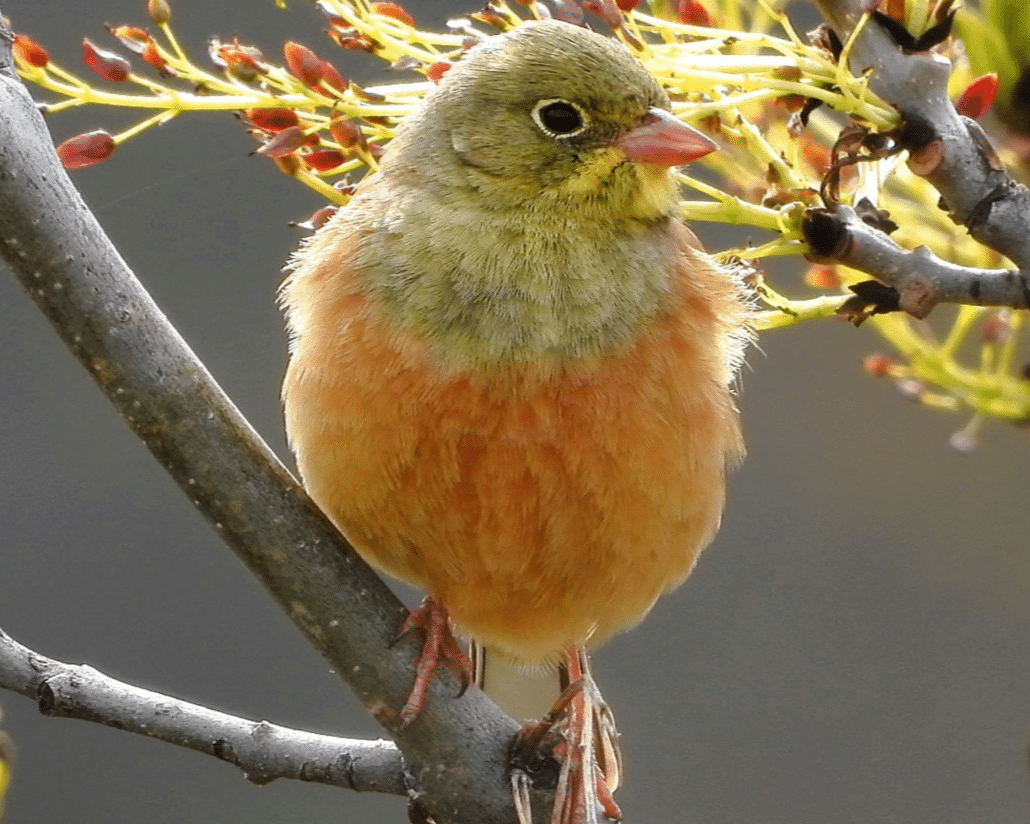
Ortolan
Emberiza hortulana
A discreet summer bird with a monotonous song and brownish colours, though males in the breeding season show a beautiful greenish-grey hue on the head and chest. It inhabits open areas with scattered shrubs and somewhat rocky ground. Very often it appears in places affected by forest fires, such as the solana between Niula and Guils.